
Sketching: The Problem Solver’s Power Tool
There are many tools out there that can generate ideas for you. Why bother sketching? Here are my thoughts on sketching as a problem-solving power tool.

Video version of this post:
There are so many tools out there that can generate ideas for you. We know about all of those tools… You can’t beat ‘em off with a stick!
Why sketch? Sketching lets you explore ideas and fosters dialogue
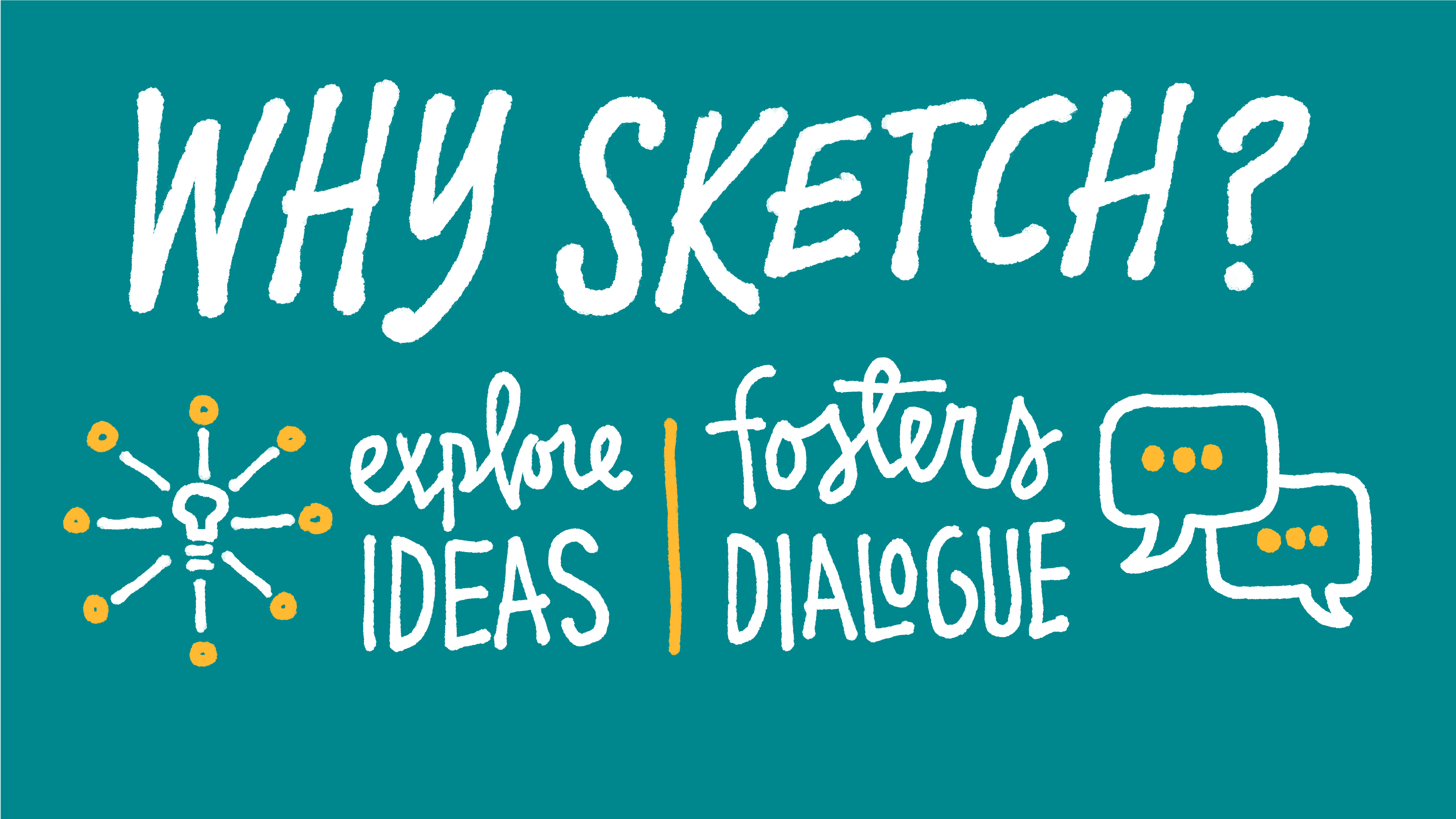
Sketching is a great way to explore ideas and get them out of your head rather than just choosing the first one that pops out. Step out of the rush to finish, slow down, and take time to create sketches and see the variety that actually exists.
A lot of times, when you start drawing ideas, the first idea leads you to the second, and you might even have bad ideas in the middle.
But as you work through the early ideas and the bad ones, you start to see better ideas. Or maybe your first idea was genius. Having a variety of sketches lets you explore ideas and choose from a range of options.
Sketching also fosters dialogue between your thinking and someone else’s thinking. It puts something in between you and your colleagues that lets everyone focus on the content of what you’re thinking. It makes ideas visible so you and your team can see what you’re thinking and get valuable feedback.
It’s a great way to get ideas out in the open and helps you avoid the “illusion of agreement,” where you think everybody’s aligned, but in reality, everyone has different ideas in their head that nobody can see.
When we sketch together, our thinking becomes visible, and others in the room have a chance to offer feedback, guide ideas, and become a part of a solution.
Sketching Is Thinking!
Sketching lets you take the stuff in your head and have a discussion with yourself. You think as you draw ideas, respond to them, and modify them. You see what’s in your thinking and have documentation of your thinking.
Just like writing is thinking, sketching is thinking. It’s really important that you include sketching in your creative process, even if (and especially if) your sketches are ugly!
Sketching Lets You Play!
Sketching lets you play. You can play around with different ideas, explore weird, wacky stuff. I encourage exploring wacky ideas because a lot of times, the wacky ideas lead to the best ideas.
Play lifts restrictions from your mind so you can explore and takes away the pressure of delivering because… you’re just playing!
Delay Computification!
Computification is my word for jumping right to software to start building things. I think it’s dangerous because when you do that, you’re accepting the limitations and constraints of that software without realizing it.
By jumping right to the computer, you’re adapting yourself to what the software can or can’t do, rather than sketching out the idea first and then finding out if the software can handle it. With AI you end up giving the fun part to the robot!
Maybe pushing it a little harder than it might normally go, or shifting to a different tool altogether because you realize the tool you had in mind won’t cut it.
Own Your Process
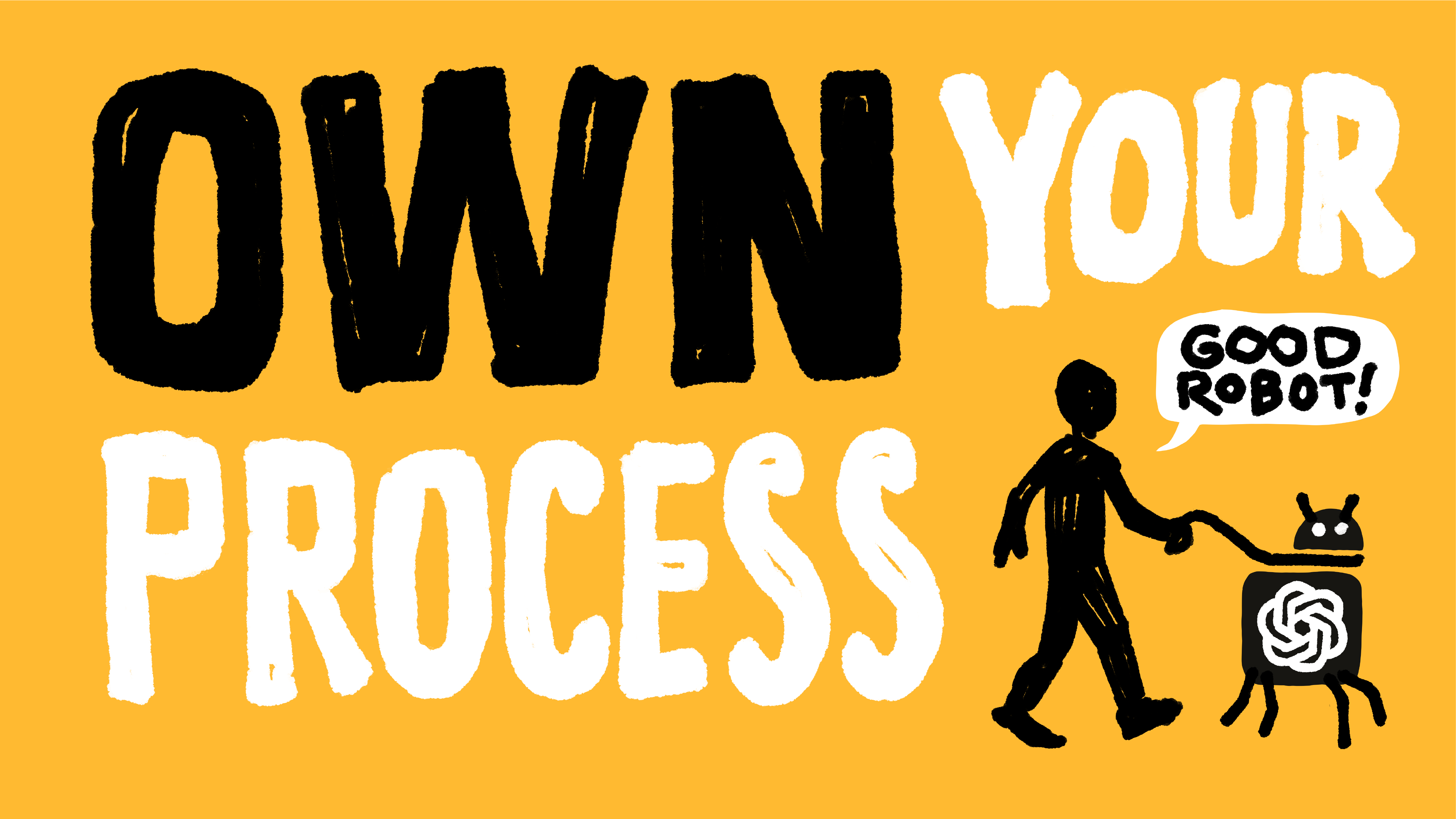
It can be very tempting to throw in concepts, ask the AI robots for a Studio Ghibli version of your idea, and let the generative AI tool do all the work.
But once you start giving process tasks to another tool without thinking through what you’re looking for, you can find yourself dependent on that tool and no longer doing the creative thinking you love and you’re paid to do.
Think about where sketching fits in your process and where your tools fit. Whether it’s AI or something you produce by hand, it's important to really think about your process and own it.
But I’m not an artist, I can’t draw or sketch…
You might be saying, “I’m not an artist, I can’t draw, I don’t know how to sketch.”
Actually, I think you can. I talk a lot about this in The Sketchnote Handbook and The Sketchnote Workbook. It’s about changing your mindset of what sketching is.
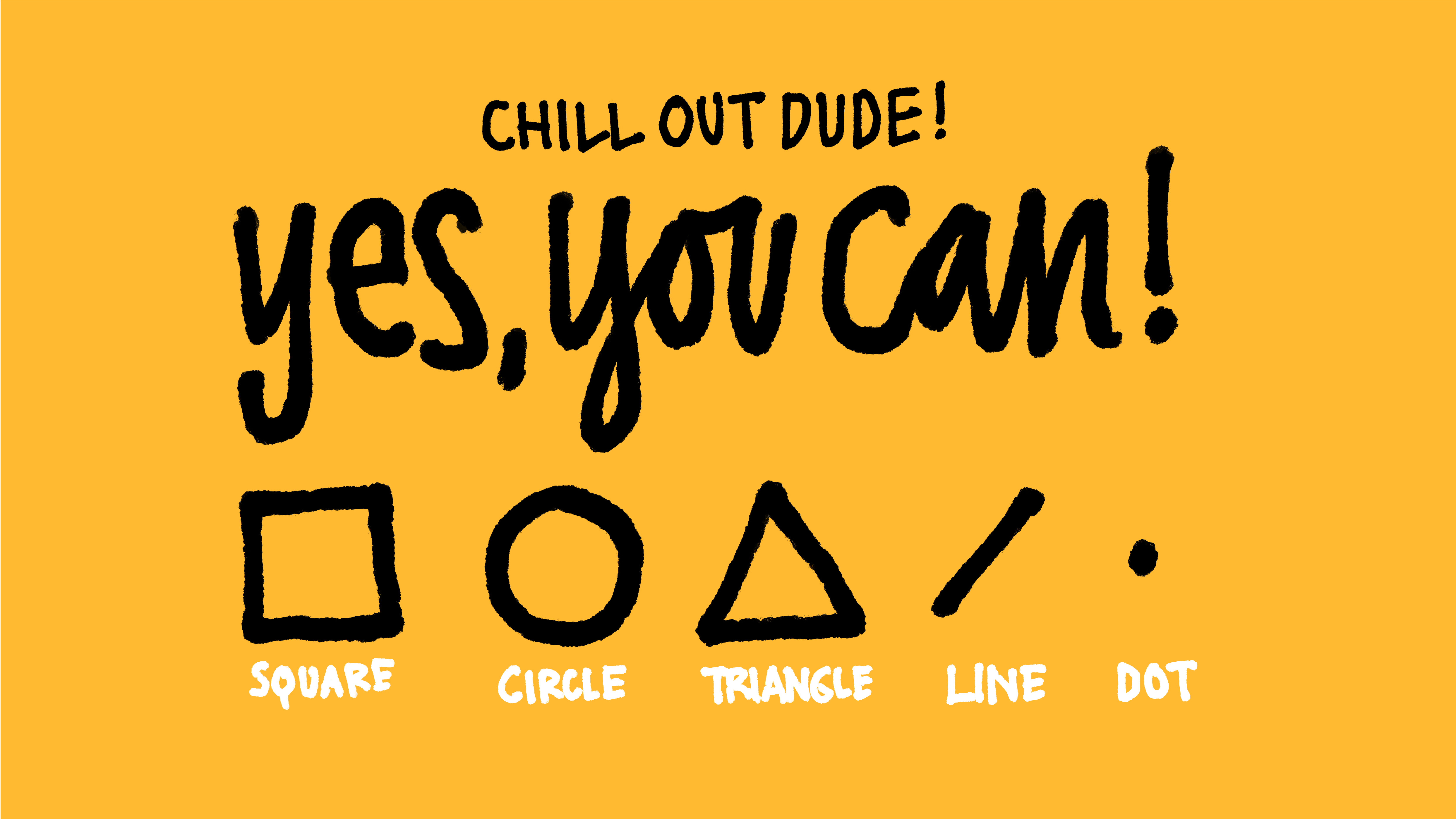
If you use five simple shapes: a square, a circle, a triangle, a line, and a dot, and step away from worrying about producing art and back to just capturing ideas and thinking, you now have a way into this process that’s not overwhelming.
The bar isn’t beautiful artwork. The bar is communicating with yourself, your colleagues, and your team in a way that moves the idea forward to the next step.
Watch: Sketchnotes 101 Video Replay
How to Start Sketching
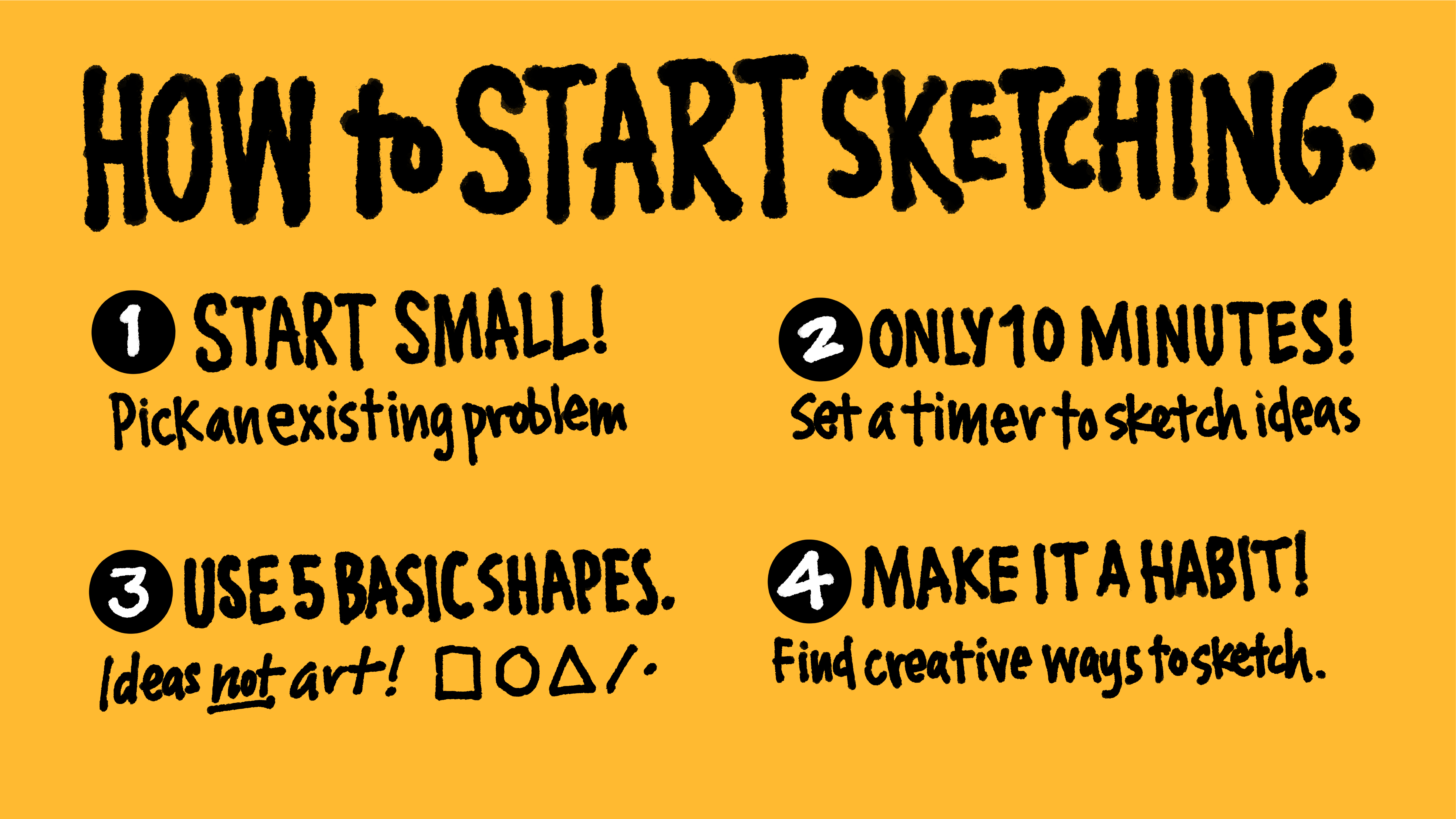
Here are four ways to integrate sketching into your process:
Start small. Pick an existing problem you’re dealing with right now. Not something huge! Just a little corner of the project, some component you can address in a short amount of time.
Go for just 10 minutes. Use the five basic shapes and play around with ideas for 10 minutes, then come back and reflect. What do they mean? Are there interesting things that can lead you in a different direction? Are there things from the back hallway of your subconscious that fell out on the page?
Use the five basic shapes. Keep it simple. It’s ideas, not art. If you break sketching into squares, circles, triangles, lines, and dots, it’s doable.
Make it a habit. If you continue to take small pieces, spend 10 minutes, and use the five basic shapes, it becomes a habit. When you get stuck, when you’re not sure what to do, when you need a break from the computer, why not make sketching your go-to way to solve problems? Soon, sketching becomes a habit.
Sketching is really powerful. Give it a try on your current project!
— Mike

Sketchnote Lab is Mike Rohde’s space designed to bridge the gap between sketchnote theory and practice. You don’t need to be an artist to think visually. Join Mike and learn to use sketchnotes to clarify your thinking, solve problems, and move forward. Learn more about Sketchnote Lab.
Mike is the author of The Sketchnote Handbook and The Sketchnote Workbook, bestselling books that teach regular people how to start sketchnoting and build a regular sketchnoting practice.
He founded the Sketchnote Army and hosts the Sketchnote Podcast, where he interviews visual thinkers to understand what makes them tick.
Mike teaches recorded, live, and in-person workshops to help accelerate your sketchnoting practice and provides personalized coaching for your specific visual thinking challenges.
He is the illustrator of bestselling books like REWORK, REMOTE, The $100 Startup, Honest SEO, The Culture Playbook, and The Future Begins with Z.
Become a Supporting or Founding Lab Partner to support Mike’s work.
Some links in Sketchnote Lab posts are affiliate links. If you purchase through them, I may earn a small commission at no extra cost to you. I only recommend tools and resources I use and believe in.
©2026 Mike Rohde, Sketchnote Lab
Thanks for breaking this down so easily, Mike!
Removing barriers is a critical step to getting started and you do this well!