
Sketch first! Designing the bag for Baking Steel 72-Hour Pizza Dough Mix
A behind-the-scenes look at how sketching drives real design work, from a phone call to finished packaging.


Sketching is a key part of my design process. Here’s how a package design for Baking Steel’s 72-Hour Pizza Dough Mix reveals the value of that process.
Andris Lagsdin of Baking Steel needed packaging for his 72 Hour Pizza Dough mix, a product he created around his popular recipe for pizza dough. He loved the idea of making this mix accessible to anyone who wants to make pizza by just adding water.
This is a way for Andris to extend the empire he is building with Baking Steel tools that align with teaching foundational pizza and baking techniques and selling other tools and materials you need to support baking as a practice.
Origin story: Meeting Andris
A few years ago, I learned about Baking Steel from my friend Bryan who swears by them for his weekly pizza ritual.
When I dug into the Baking Steel story I discovered Andris Lagsdin. I reached out through Instagram after using his 72-hour dough recipe for pizza nights. We chatted for a bit and we made a trade: my Sketchnote Handbook for one of his Baking Steels. A friendship was born.
We talked off and on for about a year as I experimented with the Baking Steel he sent by baking pizza and sourdough bread. The Steel worked so well I became an unofficial ambassador for the product!
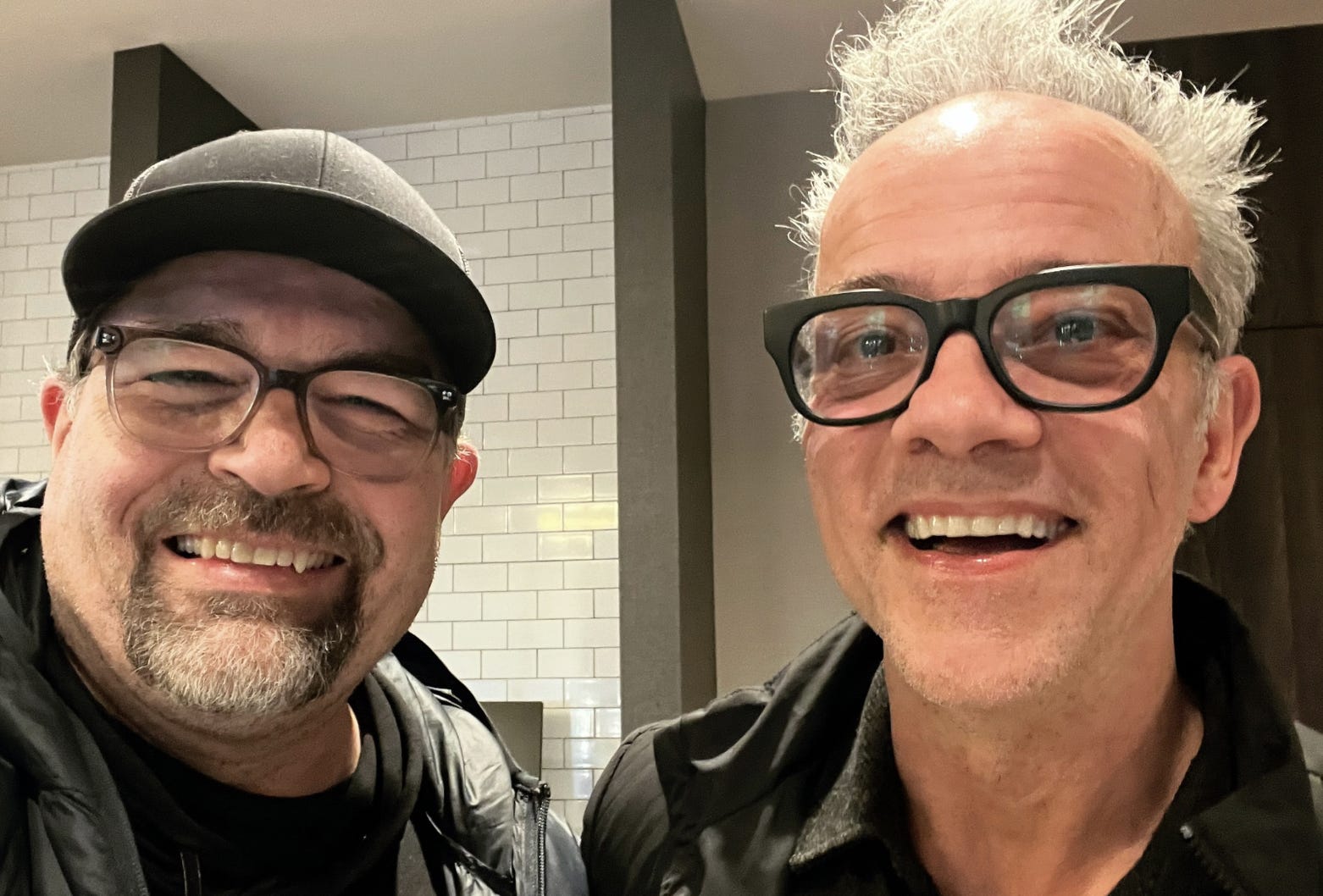
Last year I becan experimenting with Detroit-style pizza, and Andris invited me and my son Nathan to Grand Rapids to shoot a video on my process:
This led to a level of trust between me and Andris that laid the foundation for design work that would follow this year.
Listen before sketching
Late last year I got a text from Andris with pictures of a dough bag and a note about making a shelf-ready package to hold his 72-hour pre-mixed pizza dough. We got on the phone and I started asking him about the details and what he was imagining.
A few key ideas he shared:
He wanted to feature a dough ball prominently on the bag
A black bag color was important to signal the high-end quality of the organic flour he’s using and the upscale brand of Baking Steel
Hand-drawn sketchnoted feel for the packaging was also key for Andris to make it human and fun
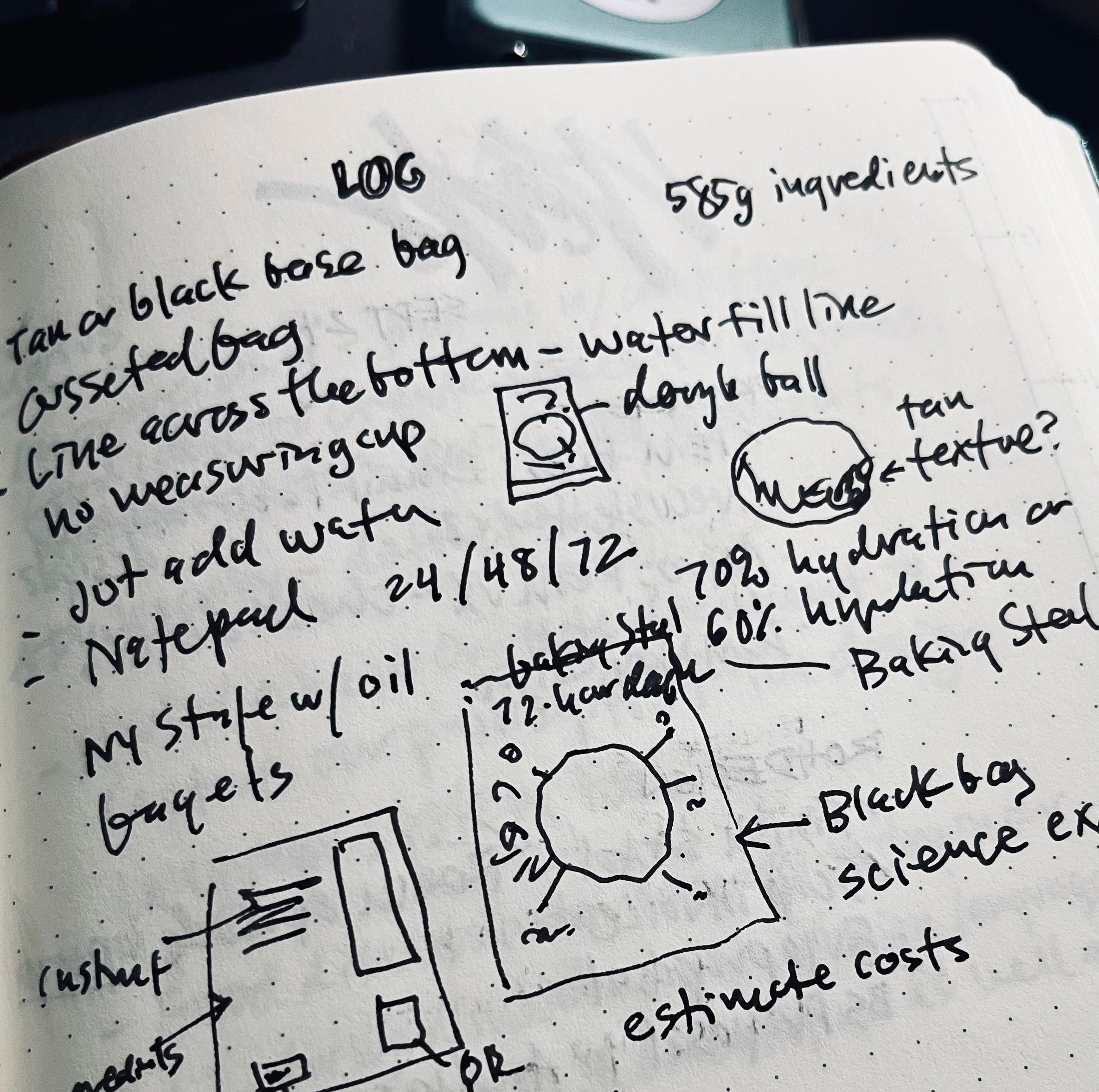
With a brief in place I could begin the process of sketching ideas to share. The next step: make time and get out the old iPad Pro and Apple Pencil.
Join Sketchnote Lab
Become a Supporting or Founding Lab Partner to access the Lab Partner Vault and all the Lab video replays since December 2024.
Sketching on the iPad
For this project I decded to use Concepts on the iPad to sketch ideas for Andris, since we had an established brand, colors, and a bag size in mind.
My first sketch focused on the title of the mix being emphasized and the idea that this one dough ball can create many things, with arrows pointing to drawings of those various baked goods.
A Just Add Water element was also important, to reinforce that making pizza dough with the mix is as easy as adding water, mixing, and waiting:
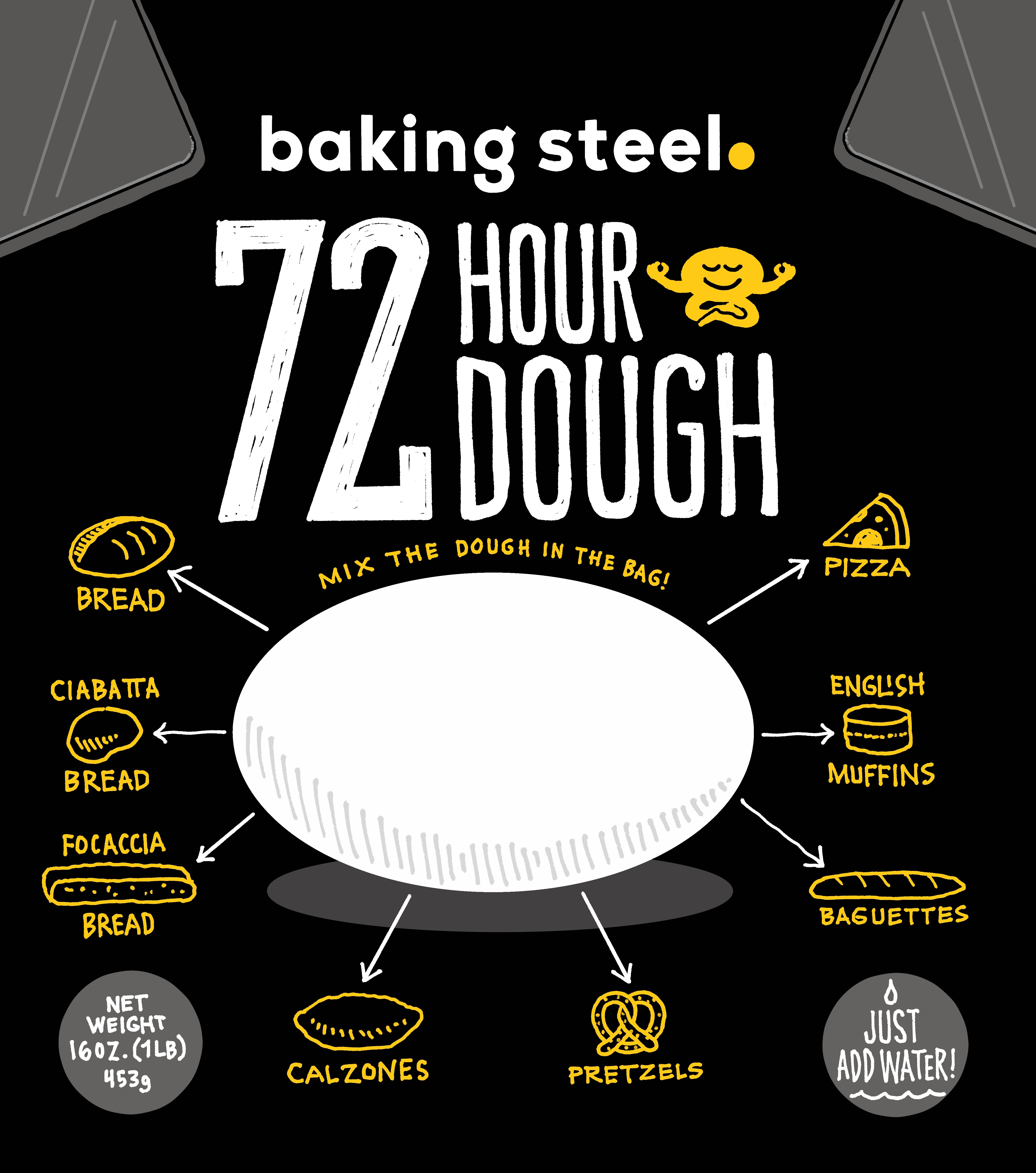
We discussed the first sketch and decided to simplifly the front of the bag for clarity by moving the multiple baked items to the back of the bag.
With an actual template for the bag from the printer, I adjusted the proportions to match the specs and reoriented the details into a second sketch of both the front and back designs with all elements accounted for:
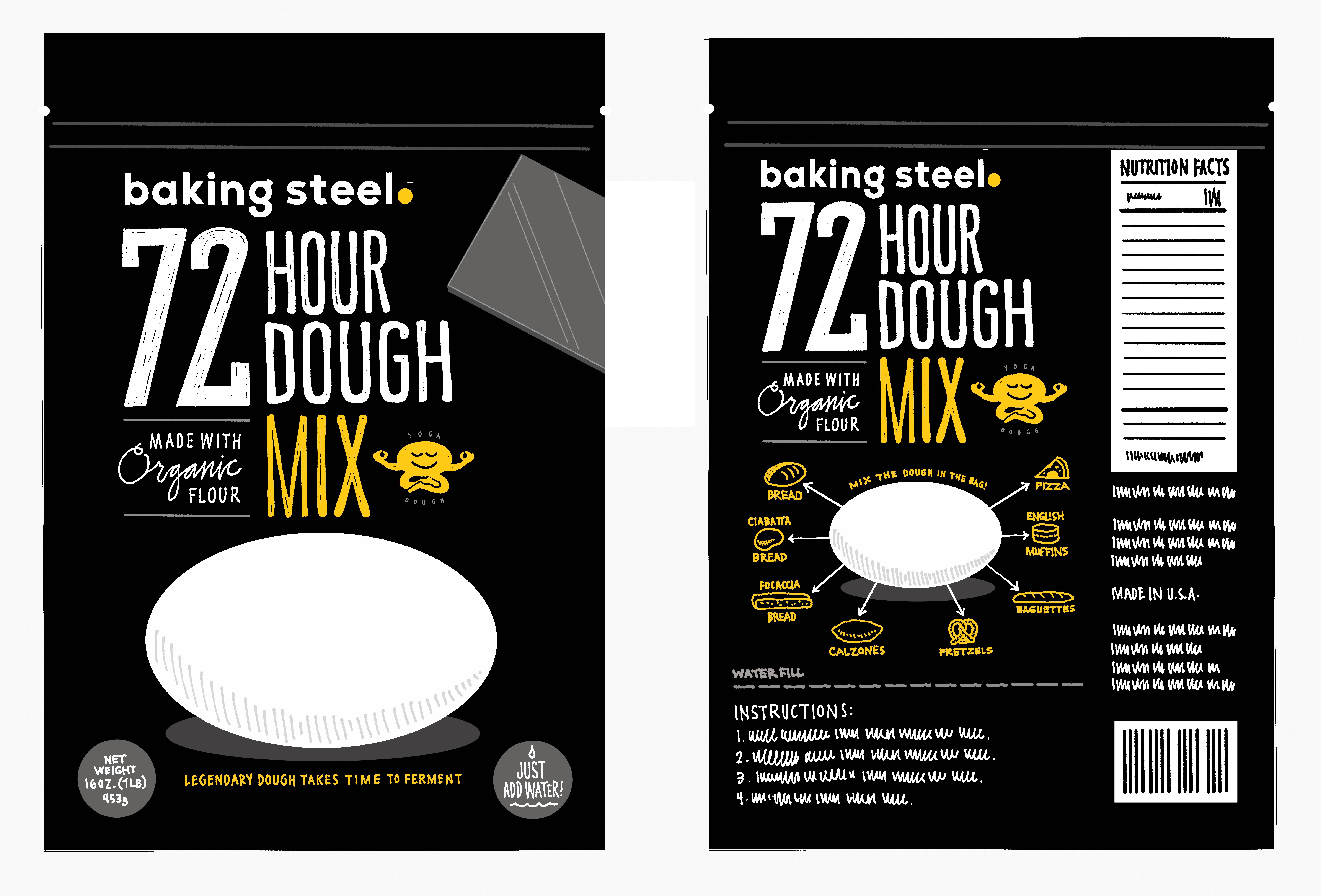
Having this ability to explore ideas and tweak the details, a benefit of using the vector-based Concepts app, helped me in this process. Sketching is all about exploration and adapability until the pieces fall into place.
Final production
Andris loved the second sketch and approved the direction for production. I had a detailed template he provied that I used to build the layered production file from in Adobe Illustrator, then began dropping all of the pieces in place.
Because I used the vector-based Concepts I was able to bring in many of the already hand-drawn elements from the sketches into the final prodution art with some tuning up. This saved a lot of time having to re-draw the baked goods, lettering, etc.
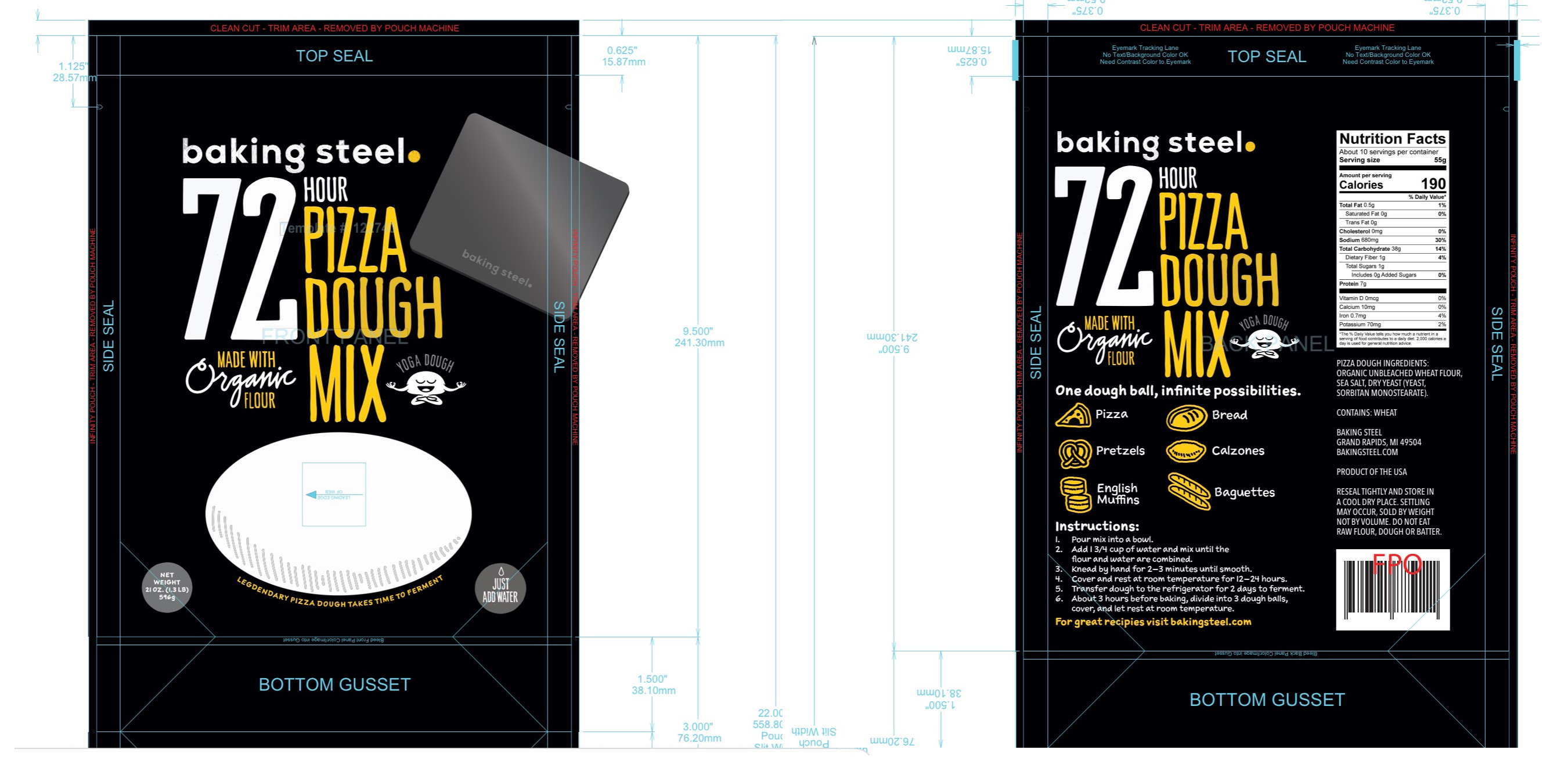
This package design was a perfect candidate for using my Sketchnote Typeface, which was drawn by hand for The Sketchnote Handbook in 2011 and has been a great tool for projects like these.
The very condensed hand-drawn typeface for PIZZA DOUGH MIX was created for another project as a headline font (in Concepts) and has been a great for projects like this. I have plans to add a new Sketchnote Compressed to the typeface suite.
With drawn elements, text, UPC code, and indgredients details in place, the artwork went off to Andris for final approval and then to the printer for production.
Here’s the final result:
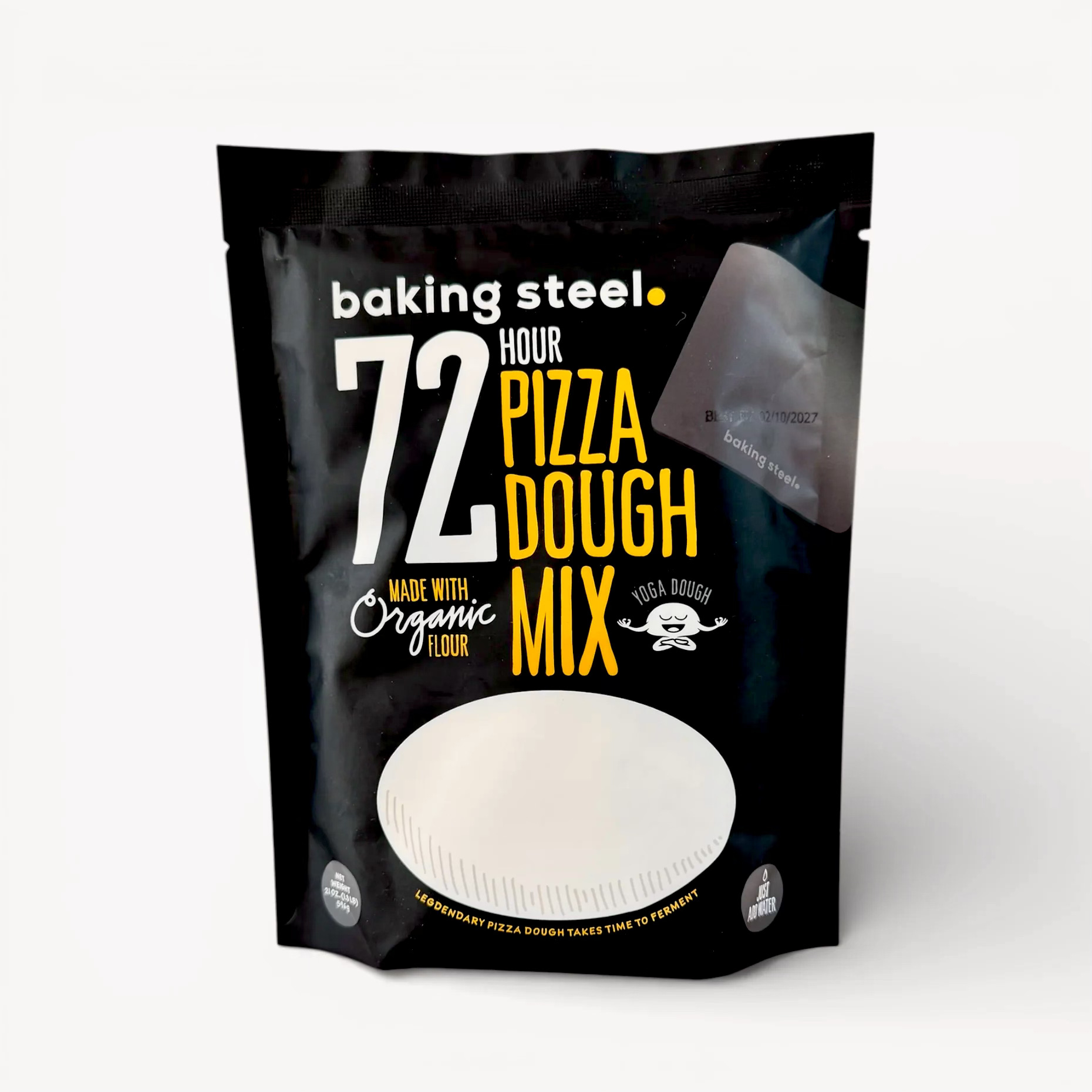
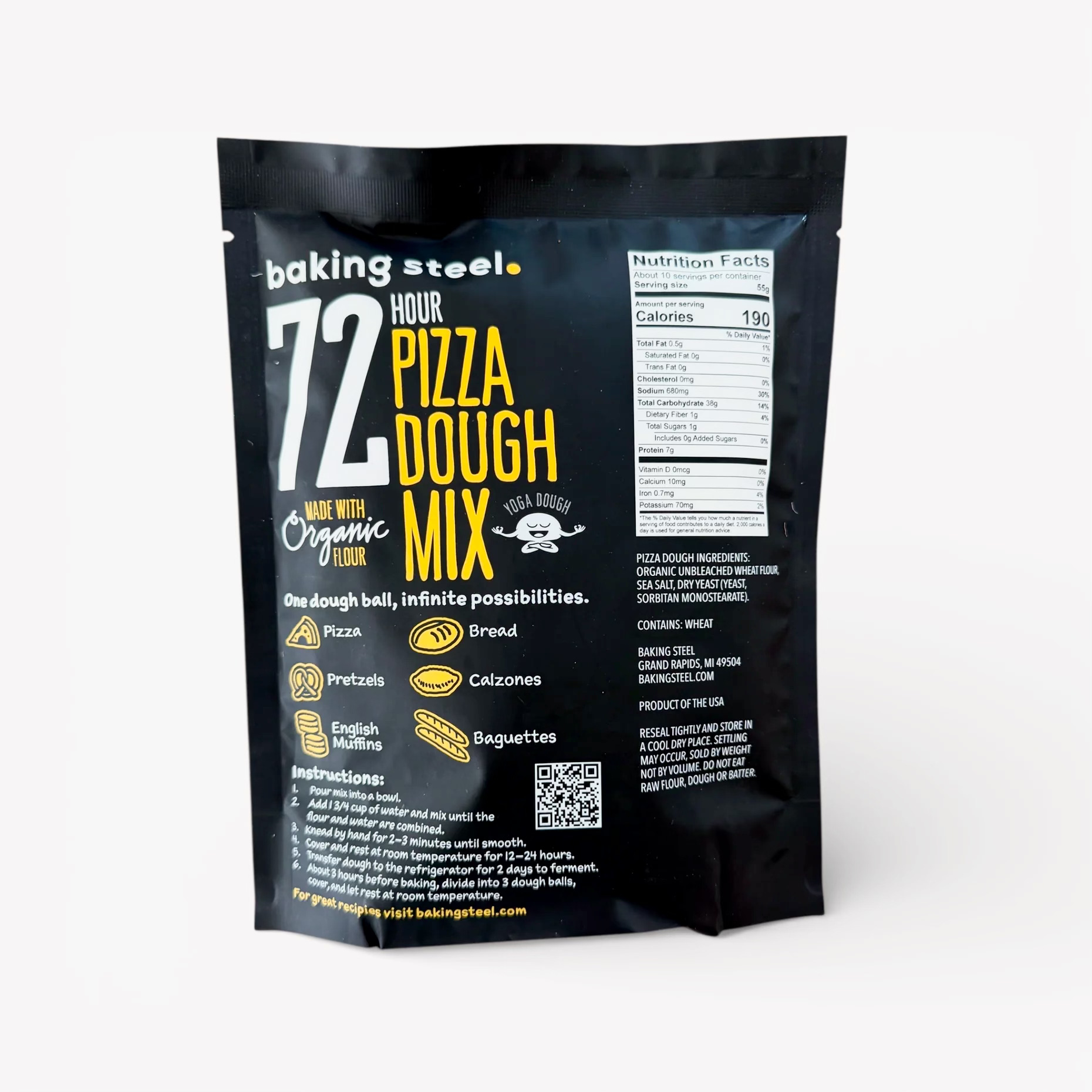
You can now buy 72-Hour Pizza Dough Mix from Baking Steel to see the package in detail and give this easy-to-make dough option a whirl for pizza night.
The takeaway for your own work?
What I love about this process:
I intentionally keep myself from moving too quickly to production. I talk with the client to deeply understand their needs and desires and then reflect those in my sketches to gain alignment with them.
It’s important to spend the time needed to iterate in the sketch until it feels like you can’t wait to actually build the thing. Allow the excitement to build.
An iterative approach means you don’t have to make it perfect right out of the gate. Let the client, your senses, and time help you refine the project.
The process is similar for many other projects. Whatever you’re working on, time spent sketching saves time, gets you to better ideas, and keeps you in sync with your colleagues, clients, and yourself.
Thanks again for the chance to share something useful in your inbox!
— Mike
P.S. I’m leading a Live Lab session on Saturday, March 21st on creating sketchnote icons and you’re invited! It’s free to join the live session, recordings are for Supporting and Founding Lab Partners. Sign up for the free session.

Sketchnote Lab is Mike Rohde’s space designed to bridge the gap between sketchnote theory and practice. You don’t need to be an artist to think visually. Join Mike and learn to use sketchnotes to clarify your thinking, solve problems, and move forward. Learn more about Sketchnote Lab.
Mike is the author of The Sketchnote Handbook and The Sketchnote Workbook, bestselling books that teach regular people how to start sketchnoting and build a regular sketchnoting practice.
He founded the Sketchnote Army and hosts the Sketchnote Podcast, where he interviews visual thinkers to understand what makes them tick.
Mike teaches recorded, live, and in-person workshops to help accelerate your sketchnoting practice and provides personalized coaching for your specific visual thinking challenges.
He is the illustrator of bestselling books like REWORK, REMOTE, The $100 Startup, Honest SEO, The Culture Playbook, and The Future Begins with Z.
Become a Supporting or Founding Lab Partner to support Mike’s work.
This is a fantastic article, Mike! I like that we both believe in spending time really getting to know the client and their vision. This is critical. But I enjoy seeing your process and how you work. Thanks for sharing this.
I could feel my own confidence in my sketch projects building as you walked through that process Mike. Thx!