
What a Porsche-Cutting Artist Taught Me About Sketching with Confidence
He slices the fenders off $100,000 Porsches to build one-of-a-kind cars. Here's what his process taught me about sketching without overthinking it.

After hours of observation and thinking, Akira Nakai eyes the $100,000 Porsche from his comfy chair, takes a sip of his beer, and puffs his cigarette.
He stands, picks up an air saw, and begins slicing the front fender of the high-end sports car without hesitation. He’s focused, relaxed, and completely at ease with what he’s about to do to a rare car.
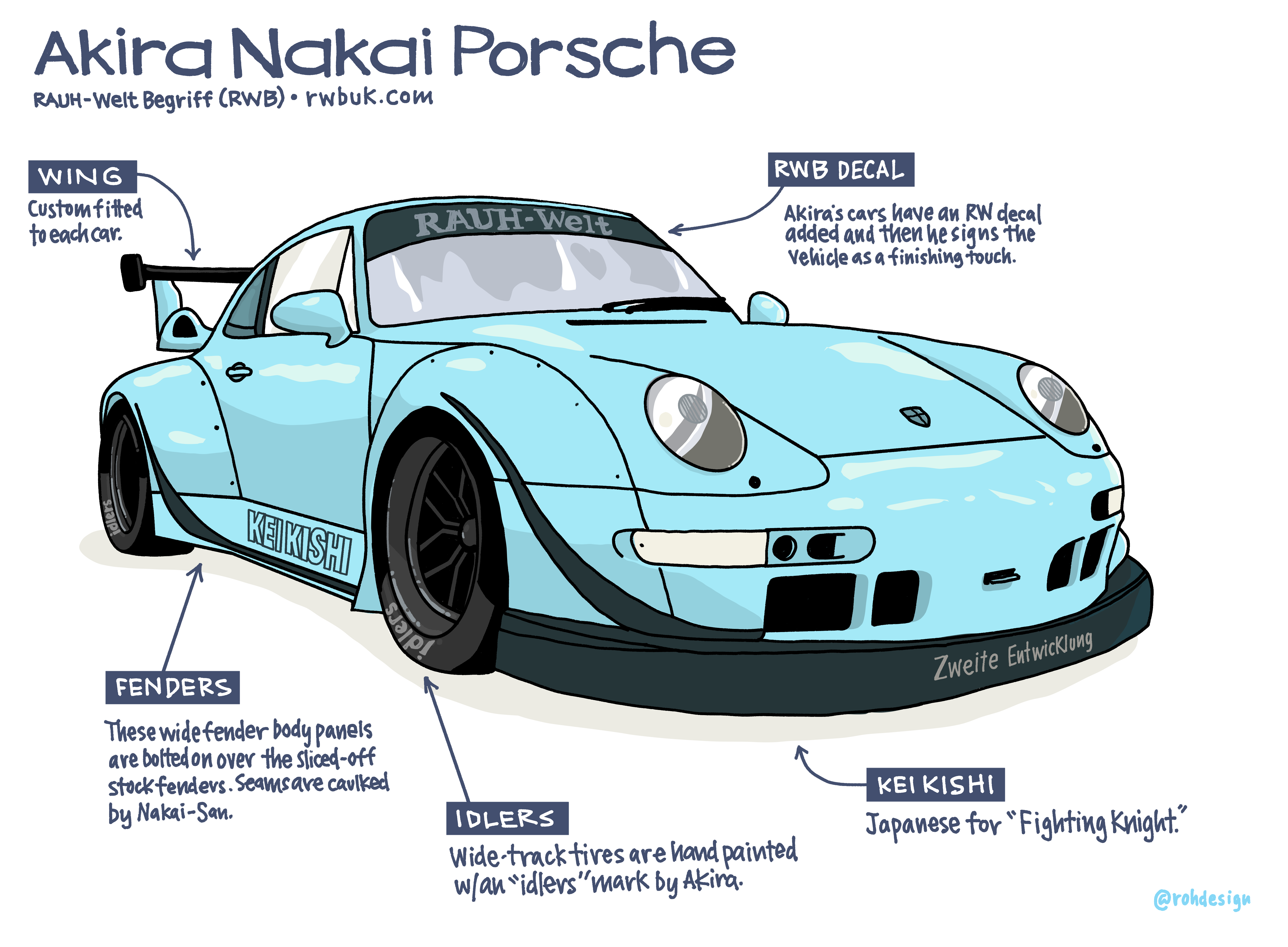
Akira founded Rauh-Welt Begriff (RWB). He’s created some of the coolest custom Porsches in the world. Watch Akira build RWB “Shingen” to see his process, or look at the RWB registry of cars he’s created.
When I discovered Nakai-San, I was captivated by his passion for transforming Porsches into one-of-a-kind works of art. The more I delved into his story, the more I saw inspiration for sketching ideas.
What can a guy who transforms machines into art teach us about creation?
Here are the three lessons I learned from his work:
1. He puts in the reps
Akira’s confidence slicing up Porsches didn’t happen overnight. He spent years cutting up his own cars: slicing metal, strapping fender pieces together with zip ties, screws, and caulk, then driving his makeshift creations to validate his ideas.
He earned his reputation by doing the work for years in the Japanese drifting community, long before he could command high prices to express his vision.
Lesson: You won’t get better at sketching by wishing, scrolling, or hoping. You will get better by putting your pen on paper, even if you’re creating ugly sketches only a mother could love. Those ugly sketches are valuable because they’re quick, require minimal commitment, and get your mind and body moving.
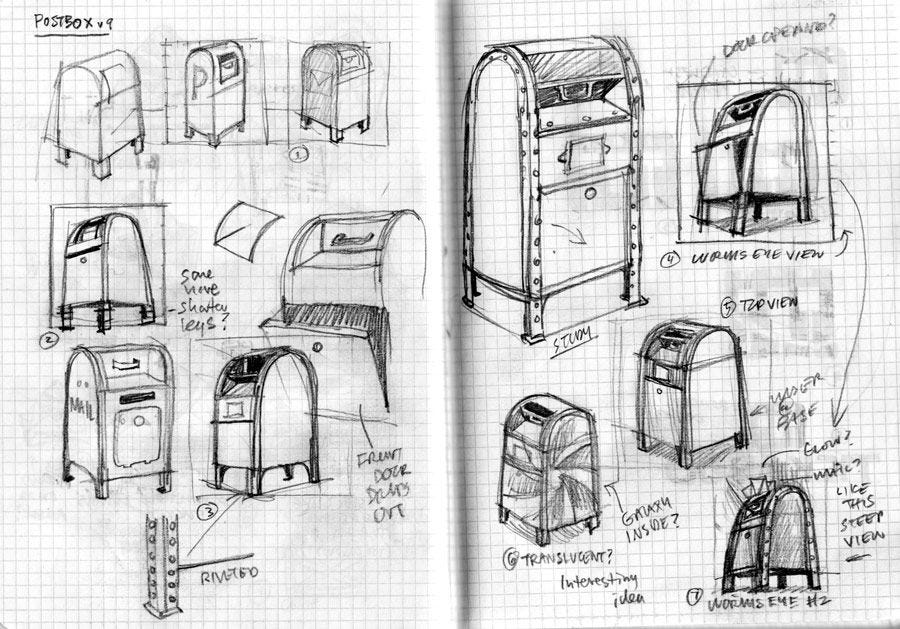
Once you’re moving, you’re building the experience and muscle that leads to sketching fluency. Get your reps in. Sketch when you aren’t sure of a thought and need to see your thinking visible on the page. Ugly sketches work!
2. He studies first
There are two tidbits in Akira’s story that caught my attention: he spends time with the Porsche owner to understand them as a person, and then spends a few hours looking at the vehicle before spinning a saw blade. He’s investing time in doing his homework before the actual work.
His approach reminds me of Michelangelo, who said, “The sculpture is already complete within the marble block, before I start my work. It is already there, I just have to chisel away the superfluous material.”
Lesson: My job is to see what’s inside the problem that wants to emerge. How can I reveal the solution with rough pen strokes on a page?
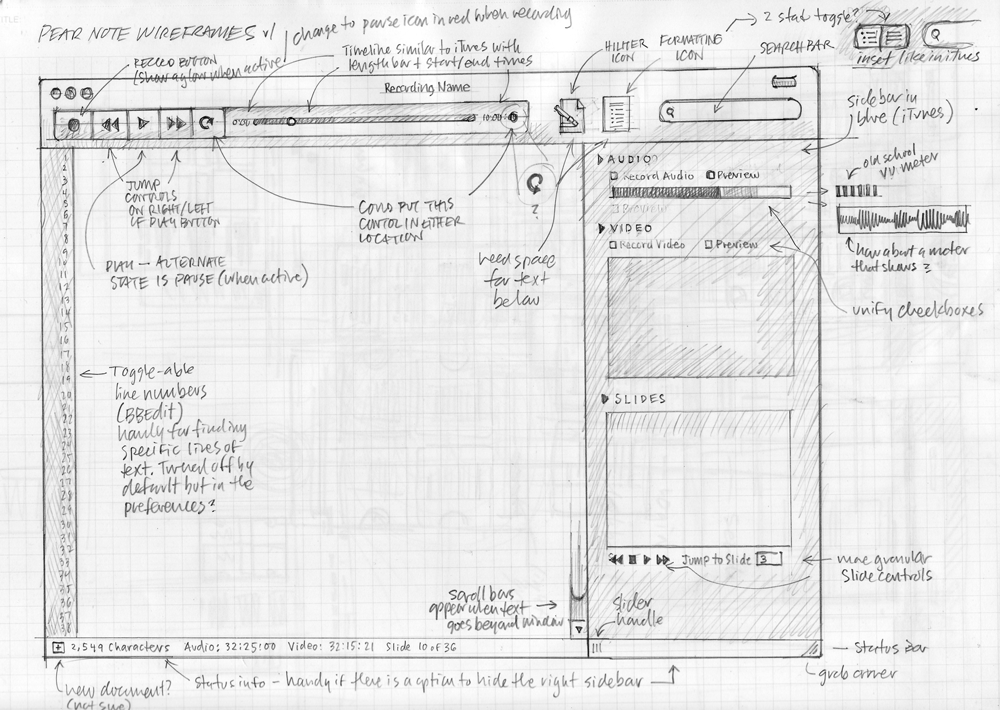
Focus on exploration and clarity to create a useful sketch that solves the problem, rather than making a perfectly drawn sketch that fails the challenge.
3. He does things his own way
Akira’s builds are polarizing. Porsche purists call RWB sacrilege, but the people on his waiting lists who pay $100k for his cars? They don’t care. He does what he believes and lets the work stand on its own.
Lesson: You have a unique way of looking at the world, and with sketching, you can deliver clarity with visual fluency. Sketch what you know and see with the skills you already have. Don’t wait for permission or worry about imperfect drawing skills.
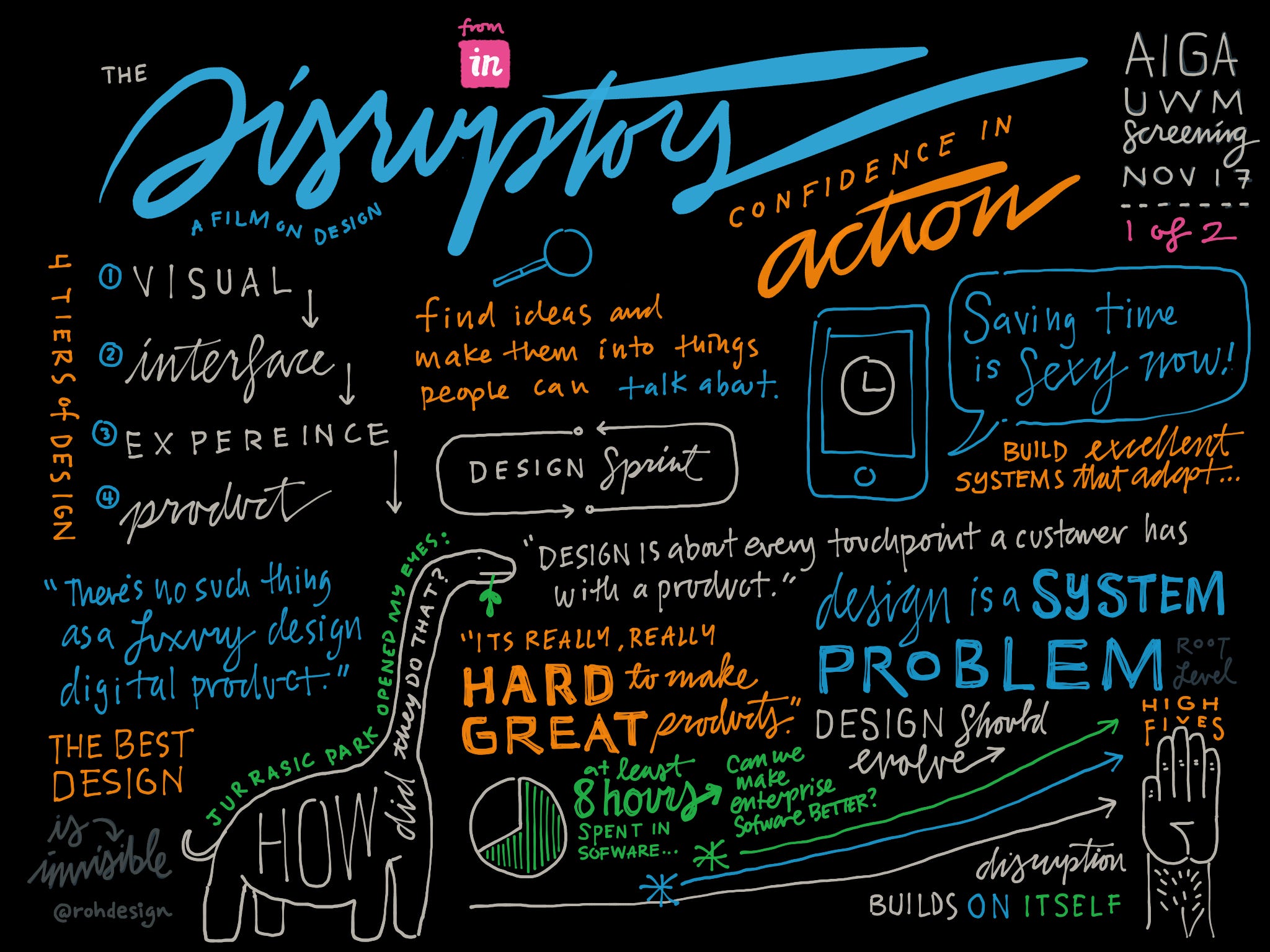
Every time you do this work, your skills improve, and you have new resources to draw on for the next challenge. You might be surprised how well your ugly sketches communicate ideas to people.
— Mike Rohde, Chief Scientist, Sketchnote Lab

Sketchnote Lab is Mike Rohde’s space designed to bridge the gap between sketchnote theory and practice. You don’t need to be an artist to think visually. Join Mike and learn to use sketchnotes to clarify your thinking, solve problems, and move forward. Learn more about Sketchnote Lab.
Mike is the author of The Sketchnote Handbook and The Sketchnote Workbook, bestselling books that teach regular people how to start sketchnoting and build a regular sketchnoting practice.
He founded the Sketchnote Army and hosts the Sketchnote Podcast, where he interviews visual thinkers to understand what makes them tick.
Mike teaches recorded, live, and in-person workshops to help accelerate your sketchnoting practice and provides personalized coaching for your specific visual thinking challenges.
He is the illustrator of bestselling books like REWORK, REMOTE, The $100 Startup, Honest SEO, The Culture Playbook, and The Future Begins with Z.
Become a Supporting or Founding Lab Partner to support Mike’s work.
© Copyright 2026, Mike Rohde
Used to draw and paint a lot... Then life happened... And now I doodle and draw for my girl so she has colouring pages.
I'm currently facing a problem that drawing may help reveal. Problem: the primary game mechanic for a game I'm working on just isn't fun... Although on paper it seemed interesting.
Challenge is letting go of wanting to make "nice" drawings to share instead of solving the problem at hand.